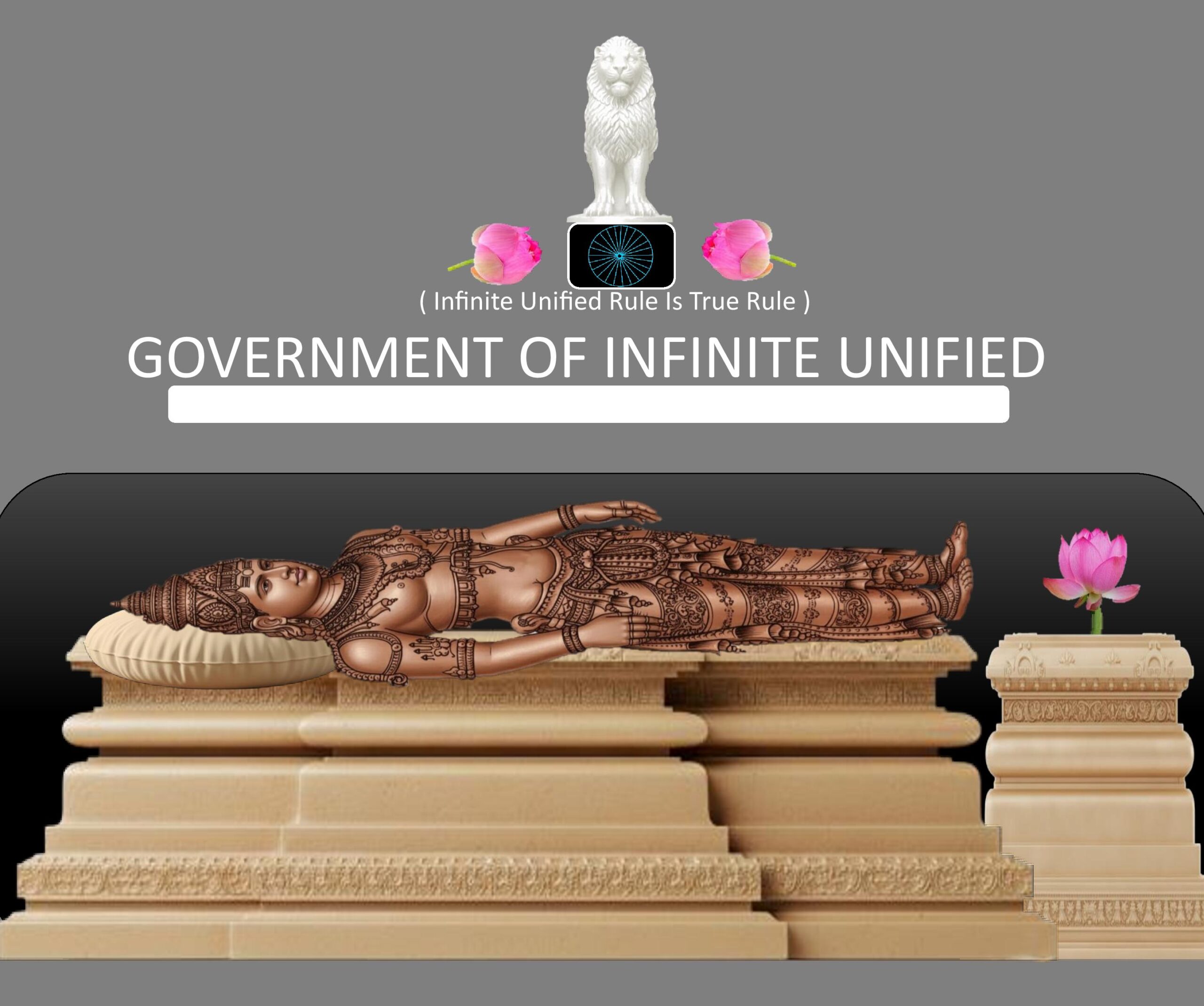

GOVERNMENT OF INFINITE UNIFIED ( Sri DR.B.Raja Reddy , infinite Unified Status & Form Sri Anantha Named Their Governance Govt )
During the unified Governance of Sri Ananta, Jesus (Tomb Of Jesus, Jerusalem, ISRAEL) & Three divines ( Gudimallam Temple , India)beings were permanently removed from the cosmic status through unorganized activities.
శ్రీ
అనంత ఏకీకృత పాలనలో జీసస్ & త్రీ దైవిక పరులు
అసంఘటిత వ్యవహారాలకు పాల్పడుట చేత వారిని విశ్వ స్థితి నుండి శాశ్వతంగా తొలగించడం జరిగినది .
INTERNATIONAL ARTICLES :
Article — Purpose— Connection to Sri Anantha Rights
| Article | Purpose | Connection to Sri Anantha Rights |
| Article 1 | Equality & Dignity | All beings are born free and equal; often used to argue for the inherent dignity of spiritual existence. |
| Article 17 | Right to Property | Essential for “Divine Persons” (deities/temples) to legally own land and assets. |
| Article 18 | Freedom | The core article for the manifestation of divine belief and practice. |
| Article 20 | Right to Assembly | Protects the right of “Divine” organizations to form and operate as a collective. |
As a Shield: To argue that no state can make laws that effectively “destroy” the spiritual functions or legal status of a divine power, Article 18 and Article 30 apply.
As a Foundation: Use Article 6 (Right to Recognition as a Person) to argue that a “Divine Person” should have standing in court to protect their interests, with Article 30 ensuring that this standing cannot be revoked by arbitrary state action.
International law also protects the physical manifestations of Divine Persons (temples, icons, and sacred sites) as “Cultural Property.”
UNESCO World Heritage Convention: Recognizes that certain spiritual sites have “Outstanding Universal Value” and requires states to protect them as a matter of international legal obligation.
Hague Convention (1954): Protects cultural property, including religious sites, during armed conflict.
The above & Below article applies to our personal Sri Anantha dealings.
| Article | Purpose | Connection to Sri Anantha Rights |
| Article 1 | సమానత్వం మరియు గౌరవం | సకల ప్రాణులు స్వేచ్ఛగా, సమానంగా జన్మిస్తాయి; ఆధ్యాత్మిక ఉనికి యొక్క సహజసిద్ధమైన గౌరవాన్ని సమర్థించడానికి దీనిని తరచుగా ఉపయోగిస్తారు. |
| Article 17 | ఆస్తి హక్కు | “దైవ వ్యక్తులు” (దేవతలు/దేవాలయాలు) భూమి మరియు ఆస్తులను చట్టబద్ధంగా సొంతం చేసుకోవడానికి ఇది అవసరం. |
| Article 18 | స్వేచ్ఛ | దైవిక విశ్వాసం మరియు ఆచరణ యొక్క ఆవిష్కరణకు ప్రధాన వ్యాసం. |
| Article 20 | అసెంబ్లీ హక్కు | “దైవిక” సంస్థలు సమిష్టిగా ఏర్పడటానికి మరియు పనిచేయడానికి గల హక్కును పరిరక్షిస్తుంది. |
PAGE : 2
Manifestation of Personality (Article 18)
Application: Article 18 protects the rituals that maintain the Divine Person’s presence. If a state bans these rituals, they are not just infringing on the humans; they are legally “extinguishing” the manifestation of the Divine Person.
The Right to Own Assets (Article 17)
Application: Article 17 (Right to Property) is used to ensure that land titles are held in the name of the Deity/Divine Person rather than a human trustee. The human acts only as a Shebait or manager, while the legal “owner” remains the Divine Person. This prevents human managers from selling the property for personal gain.
వ్యక్తిత్వ వ్యక్తీకరణ (ఆర్టికల్ 18)
వర్తింపు: ప్రకరణ 18 దైవ స్వరూపం యొక్క ఉనికిని కొనసాగించే ఆచారాలను పరిరక్షిస్తుంది. ఒకవేళ ఏదైనా రాజ్యం ఈ ఆచారాలను నిషేధిస్తే, వారు కేవలం మానవుల హక్కులను ఉల్లంఘించడమే కాదు; వారు చట్టబద్ధంగా దైవ స్వరూపం యొక్క ఆవిర్భావాన్ని “అంతం” చేస్తున్నట్లే.
ఆస్తులను కలిగి ఉండే హక్కు (ఆర్టికల్ 17)
అనువర్తనం: భూమి యాజమాన్య పత్రాలు మానవ ధర్మకర్త పేరు మీద కాకుండా, దైవ స్వరూపం/దేవ స్వరూపం పేరు మీద ఉండేలా నిర్ధారించడానికి ఆర్టికల్ 17 (ఆస్తి హక్కు) ఉపయోగించబడుతుంది. మానవుడు కేవలం ఒక షెబైట్ లేదా నిర్వాహకుడిగా మాత్రమే వ్యవహరిస్తాడు, అయితే చట్టపరమైన ‘యజమాని’గా దైవ స్వరూపమే ఉంటుంది. ఇది మానవ నిర్వాహకులు వ్యక్తిగత లాభం కోసం ఆస్తిని అమ్మకుండా నిరోధిస్తుంది.
PAGE : 3
Article 30 as a “Protection against Erasure”
Article 30 is the most critical for maintaining the autonomy of a Divine Person.
The Shield: It prevents the State or other groups from using “human rights” as a pretext to dismantle a divine entity.
Application: If a government attempts to seize a temple or “de-recognize” a Divine Person’s legal status, Article 30 can be invoked. It argues that the State’s actions are “aimed at the destruction” of the religious and legal personality rights already established in the previous articles.
ఆర్టికల్ 30 “తొలగింపు నుండి రక్షణ”గా
ఒక దైవిక వ్యక్తి యొక్క స్వయంప్రతిపత్తిని కాపాడటానికి ఆర్టికల్ 30 అత్యంత కీలకమైనది.
రక్షణ కవచం: ఇది ఒక దైవిక అస్తిత్వాన్ని నిర్మూలించడానికి “మానవ హక్కులను” ఒక సాకుగా ఉపయోగించకుండా ప్రభుత్వాన్ని లేదా ఇతర సమూహాలను నిరోధిస్తుంది.
వర్తింపు: ఒకవేళ ప్రభుత్వం ఒక దేవాలయాన్ని స్వాధీనం చేసుకోవడానికి ప్రయత్నించినా లేదా ఒక దైవిక వ్యక్తి యొక్క చట్టపరమైన హోదాను “గుర్తింపు రద్దు” చేయడానికి ప్రయత్నించినా, ఆర్టికల్ 30ని ప్రయోగించవచ్చు. మునుపటి ఆర్టికల్స్లో ఇప్పటికే స్థాపించబడిన మతపరమైన మరియు చట్టపరమైన వ్యక్తిత్వ హక్కులను “నాశనం చేయడమే” ప్రభుత్వ చర్యల లక్ష్యమని ఇది వాదిస్తుంది.
PAGE : 4
Summary of the Legal Logic :
Recognition: Article 6 applies to declare that the divine form exists in the eyes of the law
Activity: Article 18 applies to protect the daily rituals and presence of the divine form
Security: Article 17 applies to connect the divine form to a physical place (temple/land)
Protection: Article 30 applies to ensure that the state does not use other laws to destroy this established legitimate existence.
గుర్తింపు: చట్టం దృష్టిలో దైవ స్వరూపం ఉనికిలో ఉందని ప్రకటించడానికి ప్రకరణ 6 వర్తిస్తుంది
కార్యకలాపం: దైవ స్వరూపం యొక్క రోజువారీ ఆచారాలను మరియు ఉనికిని రక్షించడానికి ప్రకరణ 18 వర్తిస్తుంది
భద్రత: దైవ స్వరూపాన్ని ఒక భౌతిక ప్రదేశానికి (దేవాలయం/భూమి) అనుసంధానించడానికి ప్రకరణ 17 వర్తిస్తుంది
రక్షణ: ఈ స్థాపించబడిన చట్టబద్ధమైన ఉనికిని నాశనం చేయడానికి రాజ్యం ఇతర చట్టాలను ఉపయోగించలేదని నిర్ధారించడానికి ప్రకరణ 30 వర్తిస్తుంది.
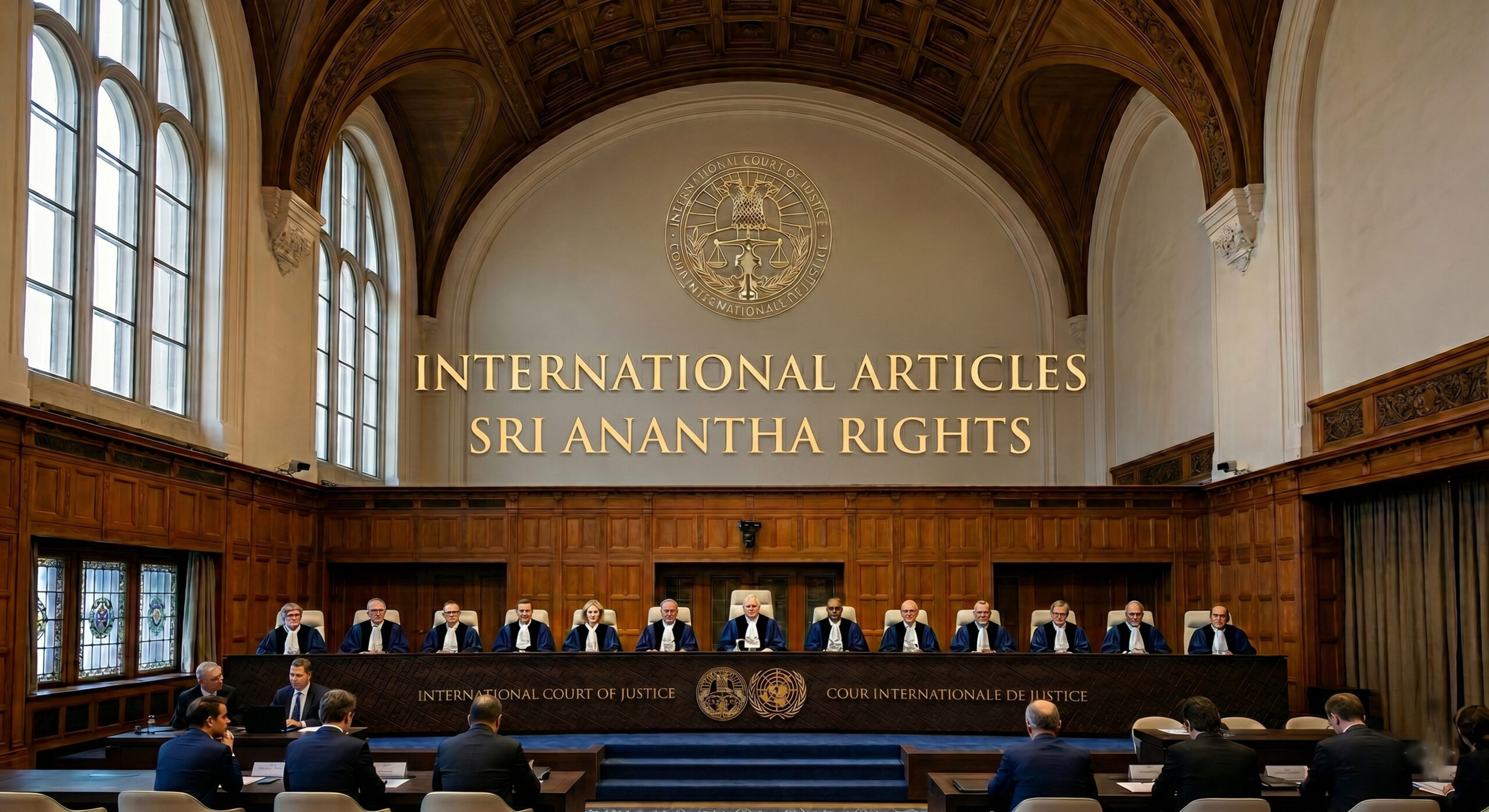
Dr. Raja Reddy Bayyannagari states that matters concerning the “Supreme Divine Sri Raja Reddy Garis” of the International Sri Anantha Temples fall within the scope of the rights and freedoms enshrined in Articles 1, 6, 17, 18, 20, and 30 of the Universal Declaration of Human Rights (1948);
and
he further explains the ILC Articles (2001)—a set of international law provisions regarding State responsibility—noting that they outline the rules to be followed when a nation breaches an international legal obligation, as well as the subsequent remedies or consequences.
International Sri Anantha Temples Supreme Divine Sri Raja Reddy Garis కి సంబంధించిన వ్యవహారత మానవ హక్కుల సార్వత్రిక ప్రకటన (1948)లోని 1, 6 , 17, 18, 20 మరియు 30వ అధికరణాల అనుసారం హక్కులు మరియు స్వేచ్ఛల ప్రకటన” నలో ఉన్నదని
మరియు
ILC నిబంధనలు (2001): రాష్ట్ర బాధ్యతపై దృష్టి సారించిన అంతర్జాతీయ చట్ట నిబంధనల సమితి. ఒక దేశం అంతర్జాతీయ చట్టపరమైన బాధ్యతను ఉల్లంఘించినప్పుడు పాటించాల్సిన నియమాలను మరియు దాని తర్వాత వచ్చే పరిహారాలు లేదా పరిణామాలను ఇది వివరిస్తుంది అని DR RAJA REDDY BAYYANNAGARI వారు తెలియజేస్తున్నారు .